Since 2014, I have had the privilege of working with over 100 different owners and operators to improve their businesses in one capacity or another. Over that time I have had the opportunity to learn some best practices from many operators and have also seen some common issues along the way.
Here are some of the key takeaways from my experience, which I hope you’ll be able to leverage in your own business.

Photo by Benjamin Zanatta via www.unsplash.com
MASTER THE BASICS
BUILD REGULARS, INCREASE REVENUE AND PROFITS, REDUCE INVENTORY LOSS, AND DECREASE CUSTOMER COMPLAINTS
Mastering the basics is a lot less exciting than implementing the latest mixology technique or trying to get more people in the door with the latest app. But chasing the latest “new thing” is often done at the expense of mastering the basics of running a successful bar/restaurant program. The truth is, this area alone will make the biggest difference for long term customer retention and profitability.

Photo by Getty Images via www.unsplash.com
THE BASICS:
- Steps of service
- Wine/beer knowledge
- Hiring/training programs
- POS information maintenance and reporting
- Inventory management
- Recipe consistency
Often times, operators believe that they have a solid handle on all of these areas; but once we take a critical look at each, areas for improvement always appear. Simply asking each bartender, “What is the house pour for spirits and wine?” is often very revealing – answers are usually all over the place!
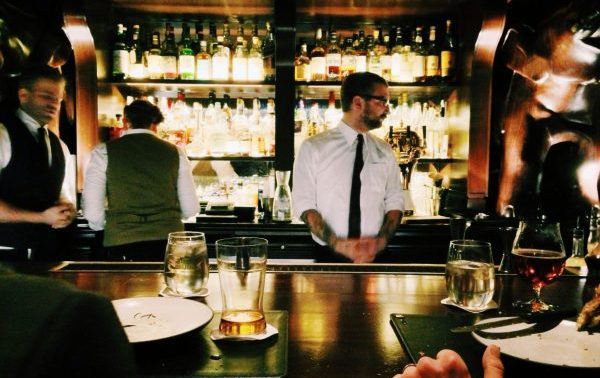
Photo by Taylor Davidson via www.unsplash.com
An easy way to make sure the basics are mastered is to focus on one concept every 2 weeks/months, training the staff until you are happy then moving on to the next area of focus. You can even map out the training topics to correspond with your business cycles. For example, in the time leading up to your busiest season, focus on suggestive selling and increasing check averages. Then during the busy season, you can focus on techniques to help build regulars, etc.
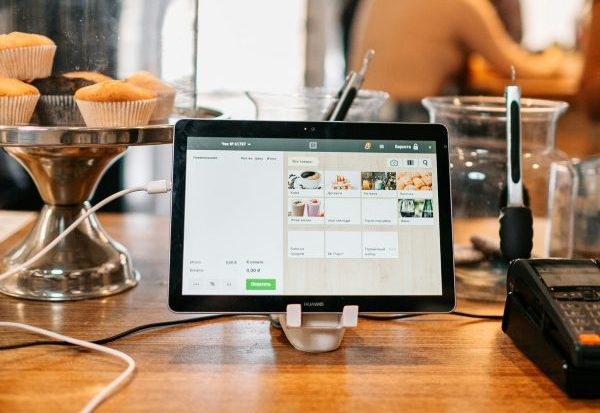
Photo via www.unsplash.com
FULLY UTILIZE YOUR POS SYSTEM
INCREASE REVENUE AND PROFITS, REDUCE INVENTORY LOSS, IMPROVE INVENTORY AND CASH FLOW MANAGEMENT
Your POS system is the heart of your data-gathering abilities for any bar or restaurant, and I’m always surprised to see how few operators have optimized their POS – not only for service but also to collect vital operational data.
Streamlining for Service: On the service side, the less time your staff spends on the POS entering orders, the more time they have on the floor to sell more product or build regulars. So when your staff expresses frustration about how many buttons they have to push to enter a hamburger order or that items in your inventory are not in the POS, make sure you address these issues. This is an easy win!

Photo by Blanke Wisz via www.unsplash.com
Collecting Vital Business Data: It’s also important to get the structure of your POS information correct so, when you run reports to make improvements, you have usable data you can act on. What this means:
- All products are entered into the POS with appropriate pricing.
- Each product is in the correct revenue center.
- The staff is trained on recipe consistency.
- There are no ambiguous items that show up in your reporting (for example, “Martini” vs “Tito’s martini”).
Also, look at your modifiers to make sure they are clear as well. If you have an “up” button that charges $2 for a Martini or spirit forward drink, it will not be clear specifically which product is being depleted from your inventory.
Don’t be afraid to reach out to your POS company or check their website! Often, POS companies will have great tutorials on their own website or on YouTube to help you set up the system correctly. Failing that, don’t hesitate to reach out and ask questions.

Photo by Getty Images via www.unsplash.com
SUPPORT & TRAINING FOR THE MANAGEMENT TEAM
DECREASE OVERALL EMPLOYEE TURNOVER, INCREASE REVENUE AND PROFITS, DECREASE INVENTORY LOSS, IMPROVE INVENTORY AND CASH FLOW MANAGEMENT, AND IMPROVE BASICALLY EVERY PART OF YOUR BUSINESS!
Let’s face it, the managers of a bar or restaurant have a lot of responsibility. On a day-to-day basis, the managers have to be masters of negotiating with vendors, conflict resolution (both internally with employees and customer-facing with service issues), motivating a diverse staff, system building, and communication. And that doesn’t even touch upon social media, basics of data gathering and analysis, and then how to effect change in those reports.

Photo by Jessie McCall via www.unsplash.com
My point is that there are a ton of opportunities for the management team to not only enhance their own skills but also use those skills to improve the business they are managing.
Investing time to improve the skills of your management staff can have profound benefits to your business. Once the management team has a strong foundation of core business skills, you can begin to develop each person into a specialist in specific areas of the business that interest them. (More on this later in the “Key Metrics” section.)

Photo via www.unsplash.com
INVOLVE STAFF IN PROCESS IMPROVEMENTS
DECREASE STAFF TURNOVER, REDUCE SERVICE ISSUES, AND IMPROVE MORALE &
PROBLEM SOLVING
Problems are going to arise with the day-to-day operation of any business. One-time issues (plumbing backing up, fryer catching on fire during service, etc) can be addressed when they arise. But there are other repeating problems that show up time and again and which indicate there is a systemic issue that needs fixing.

Photo by Maxwell Jayes via www.unsplash.com
Examples of this type of ongoing problem could be:
- Inconsistent opening and closing procedures
- Long fire times on specific items
- Customer complaints
Involving the staff in problem-solving is a great way to solve these systemic, ongoing problems. Not only does this help bring more eyes on the problem and potentially provide more options for a better solution (and from the people who are closest to it), but it also drastically improves buy-in from the staff when it comes time to roll out changes addressing the issue.

Photo by Alex Voulgaris via www.unsplash.com
IMPROVING SERVICE
Don’t limit your staff involvement to problem solving: It’s also a great idea to involve your team in improving your operations, systems, and overall service. The more your team feels that their ideas for improvement are heard, considered, and perhaps even implemented, the more invested they’ll be in the success of your business overall.

Photo by Frank Flores via www.unsplash.com
Great examples include:
- Developing new cocktails
- Peer driven wine/beer/spirits education
- Ideas for improving efficiency during service
- Reviewing training manuals for possible updates
- Reviewing side work and opening/closing checklists for updates
- Updating allergen information sheets/menu descriptions and distributing them
Discussing topics with your staff and identifying areas where they’d like to see improvements can go a long way to increasing the engagement of your staff. Getting them involved with creating the solution will also help to reinforce this further.

Photo via www.unsplash.com
SYSTEMS ARE YOUR FRIEND
INCREASE PRODUCTIVITY, INCREASE CONSISTENCY, REDUCE STAFF TURNOVER, DECREASE SERVICE ISSUES, AND INCREASE STAFF MORALE
A system can be built around almost any recurring task in any business. In the bar and restaurant industry, we aim to be as consistent as possible, so developing systems is a great place to focus your management’s time and abilities. (This is even more important when opening a new location.)
Here are some key areas where systems can be developed, documented, and trained. Each area may seem like a small process to build out, but as you can see when we drill down into new menu rollouts, these processes can be much more involved than it appears at first glance:

Photo by Louis Hansel via www.unsplash.com
- Hiring practices, including interview questions
- Training framework for each position, which can include training broken down by each day and key competencies that will be tested
- Opening/closing and running side work procedures in each department
- Weekly ordering/inventory
- Process for new menu rollouts:
- When will new ideas be drafted
- When will any new ideas be fine-tuned for service
- Pricing with vendors
- When will final decisions be made
- Menu printing
- New order/production sheets
- Revise checklists for side work during opening and closing shifts
- Staff training
- Offer new items as a special
- Finalize items
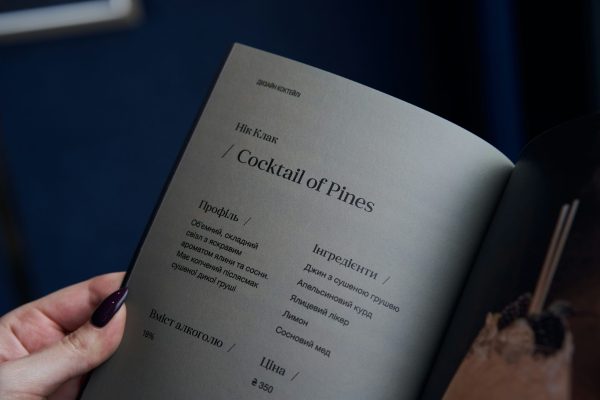
Photo by Pylyp Sukhenko via www.unsplash.com
Getting these processes documented will help to make it easier when the time comes to use the system. You also have the added benefit of being able to train other staff members on how to perform this task, eventually having them take over completely (if it makes sense for their career growth). This in turn will free you up to focus your attention on other areas.

Photo by Fraser Cottrell via www.unsplash.com
FOCUS ON KEY METRICS
DEFINING AND TRACKING KEY BUSINESS METRICS IS DEFINITELY IN THE “BEST PRACTICE” CATEGORY. IT ALLOWS OPERATORS TO MONITOR THE FINANCIAL HEALTH OF THEIR ORGANIZATION AND MAKE COURSE CORRECTIONS IF PROBLEMS ARISE.
Some examples of traditional metrics:
- Labor costs/percentage of sales
- # of covers
- Average guest spend
- Average turn time – 2 top, 4 top, 6 top, etc
- Cost of goods sold
- Food (spirit, beer, wine) cost
- Prime cost

Photo by Austin Distel via www.unsplash.com
Depending on the purpose of the establishment, there can be additional metrics to track. Examples include:
- Social media likes/shares
- Number of items sent back to the kitchen
- Yelp/Google/Facebook review score
- Customer feedback scores
- Amount of money raised for charity
- Number of management hours worked
We talked briefly about training and supporting the management staff – Defining and tracking key metrics is a great concept for everyone on staff to understand. Knowing how to pull the necessary reports to get the information they need, how to understand the reports that are generated, and– most importantly– how to affect changes in each area category can create so many positive effects for your business.

Photo by Getty Images via www.unsplash.com
LEVERAGE TECHNOLOGY
INCREASE REVENUE AND PROFITS, IMPROVE INVENTORY AND CASH FLOW MANAGEMENT, INCREASE PRODUCTIVITY, STREAMLINE COMMUNICATIONS, AND CONSOLIDATE DATA MANAGEMENT
Once the basics have been mastered, the business is running efficiently, and your establishment is consistently profitable, introducing new technologies is the logical next step. There are a lot of areas where technology can be implemented:
- An inventory/ordering and analytics platform like Avero, Slingshot, or BevSpot
- Hiring platforms like Indeed and Snagajob
- Handheld POS systems during busy shifts
- A new reservation system that allows you to more actively manage your waitlist

Photo by Bady Abbas via www.unsplash.com
There is no shortage of technology solutions at our industry’s disposal!
Some of the key benefits of adding new technology are that they can amplify the ability of your team, increase efficiency, and/or give greater detail to make better decisions. Many software solutions come complete with customizable dashboards that help to condense all of the most important information at a glance, which will hopefully free up time for you and your team. This can be especially critical when you begin to grow past a single location and need to have all of your information in one easy-to-navigate platform.

Photo by Andreas Forsberg via www.unsplash.com
BACK TO THE BASICS
We started with the basics and made our way all the way to “newfangled technology,” but I wanted to go back and emphasize this: There’s no point in implementing the newest technology solution if you don’t have the solid foundation of a really well-run bar. Go back to the basics (above). Make sure your team knows how to run your bar end-to-end and provide a great guest experience first and foremost.
(And make sure your bartenders know your standard pours!)
Once you and your team have the basics down consistently, then you can continue on to these other steps to grow your bar into a profitable and smoothly-running business – with satisfied employees and happy, returning customers!