Copyright A Bar Above, generated with AI
Table of Contents:
- Cocktail Glassware at a Glance
- What Are the Most Common Types of Glassware for Cocktails?
- Honorable Mentions: Specialty Glassware
- What to Look for in Glassware
- What Glassware Should You Buy First for a Home Bar?
- Glassware Substitutes: When You Don’t Have the “Right” Glass
- Where to Buy Cocktail Glassware?
- Cocktail Glassware FAQs
Craft cocktail connoisseurs know that enjoying a cocktail is a multi-sensory experience. Your eyes see the vibrant color of the garnish, your hands feel the temperature of the glass, and your nose takes in the aromas of the cocktail, all before the grand finale of tasting the cocktail itself.
You might be wondering how it is possible to achieve all of this, but the answer is simple: It’s all about the glass. Let’s explore the various types of beautiful glassware you’d find at a cool cocktail bar– ones you may want to add to your own collection.
On the Mixology Talk podcast, Chris spoke with bartenders Christopher Krause and Adam Stein glassware designer Zane Harris, about choosing glasses for home and professional bars, so their expert advice is also scattered through this article.
“Keep in mind what you’re putting in it. For the longest time, we’ve only cared what the glass looks like, and then we fit the drink into it. Instead, why don’t you think about the drink itself, the one that you want to make, the volume of that drink, and then get a glass that is appropriate for that? So that way, when you’re serving that drink or you’re drinking it yourself, it’s a much more enjoyable experience because everything is the right levels.” –Zane Harris, Glassware Designer
Cocktail Glassware at a Glance
Choosing a glass starts with how the cocktail is served: over ice, without ice, with a long pour of mixer, or hot.
| Glass style | Best suited to | Cocktails to try |
|---|---|---|
| Rocks / lowball | Short drinks, usually served over ice; some recipes use a chilled glass without ice | Old Fashioned, Negroni, Sazerac |
| Highball / Collins | Tall drinks with ice and a larger proportion of mixer | Gin & Tonic, Tom Collins, Cuba Libre |
| Coupe | Cocktails served “up,” meaning chilled and strained without serving ice | Daiquiri, Clover Club, Manhattan |
| Martini | Cocktails served up, with the familiar angular presentation | Martini, Gibson, Cosmopolitan |
| Nick & Nora | Smaller cocktails served up | Alaska, Bijou, Old Pal |
| Champagne flute / tulip | Sparkling wine and sparkling cocktails | Champagne Cocktail, Kir Royale, Bellini |
| Wine glass | Spritzes, Sangria, and larger wine-based cocktails | Aperol Spritz, Sangria |
| Heat-resistant mug | Hot cocktails | Irish Coffee, Hot Toddy, spiked hot chocolate |
These are useful starting points rather than strict rules. Several styles overlap, so you can build a versatile collection without buying a different glass for every recipe.
What Are the Most Common Types of Glassware for Cocktails?
Proper glassware was initially developed out of the need for practicality. The size and shape of each bar glass are particularly designed to both enhance aroma and to maintain the proper temperature of your cocktail.
This is why there is cocktail-specific glassware: Each serves a purpose! So let’s explore some of the most common types of glassware.

Copyright A Bar Above
Lowball Glass
The lowball is an easily identifiable glass that is recognized by its short, round shape. The wide rim creates space for your nose to get close to the cocktail, increasing your exposure to the different aromas that are carefully curated to complement the taste of the cocktail.
Because there is no stem, you hold the bowl directly. For cocktails you want to keep cold, avoid cupping the glass for long periods.
The lowball can have other names based on its volume: The single rocks glass/single Old Fashioned glass is traditionally 6-10 ounces, and the Double Old Fashioned glass/double rocks glass is anywhere between 12-16 fluid ounces.
This style of glass is most commonly used for mixed drinks that are high in alcohol content. The wide glass allows for a large piece of ice and also provides ample space to take in the aroma of the alcohol that you are enjoying. Restaurants often use them as regular drinking glasses as well.
Our 10-ounce Classic Rocks Glasses have a weighted base and room for a short cocktail with a large serving cube.
Popular cocktails for a lowball glass:
“What piece of glassware do I have the most of behind my bar? It is the bucket glass because it is the most universal. I’ll put a sour in a bucket glass. I think it looks really great with the big ice cube sometimes and that foam layer on top. Two-touch cocktails— vodka-sodas, gin and tonics— definitely I’ll put in a bucket glass unless somebody specifically requests a highball, and then of course Old Fashioneds.” — Adam Stein, bartender

Copyright A Bar Above
Highball Glass
The highball glass is the taller, thinner sibling of the lowball. The tall size easily fits “long” or “tall” drinks, which have a higher proportion of mixer to alcohol.
A highball gives your ice, mixer, and spirit room to mingle without filling the glass to the brim. Think fizzy Gin & Tonics, refreshing Cuba Libres, and plenty of ice to keep things cold. Just leave a little breathing room at the top so your first sip doesn’t end up on your shirt.
The highball is often confused with a Collins glass, which is actually just a taller glass. However, most bartenders agree that these two glasses are interchangeable, so this specific cocktail glass mix-up isn’t really a faux pas at all.
Our 12.5-ounce Classic Highball Glasses provide room for tall drinks with ice, mixer, and a garnish.
Delicious craft cocktails to serve in a highball glass:
- Gin and Tonic
- Vodka Sodas
- Cuba Libre

Copyright A Bar Above
Nick & Nora Glass
My personal favorite, the Nick and Nora glass, has a thin stem and bell-shaped bowl mostly intended for spirit-forward, stirred drinks. The Nick and Nora glass is not meant to hold ice, and its modest capacity is the perfect size for cocktails with few ingredients. Instead, the glass is typically chilled prior to use to maintain the coolness of the cocktail.
The Nick & Nora-style glassware also has the best origin story, in my opinion. It was featured in the classic 1930s movie, The Thin Man, and was then known as the “Little Martini,” although only produced for a short time. In the 1980s, bartender Dale DeGroff had production recommissioned for the famous New York bar the Rainbow Room and named after the two main characters the Thin Man movies, Nick and Nora Charles. The company that originally produced these glasses began making them again and eventually adopted the Nick & Nora name. Isn’t that cool?
Cocktail recipes to serve in Nick & Nora cocktail glasses:
- The Alaska
- Old Pal
- Bijou

Copyright A Bar Above
Coupe Glass
The coupe glass, also known as a Champagne coupe, is another stemmed glass that has a wide, shallow bowl. It was also very popular during Prohibition when cocktails flourished because they easily masked the “prohibited” alcohol. Coupes work well for both shaken and stirred cocktails served without ice. Its slightly larger capacity allows for drinks with more ingredients, such as sour cocktails, but make sure to choose the capacity to suit the finished drink.
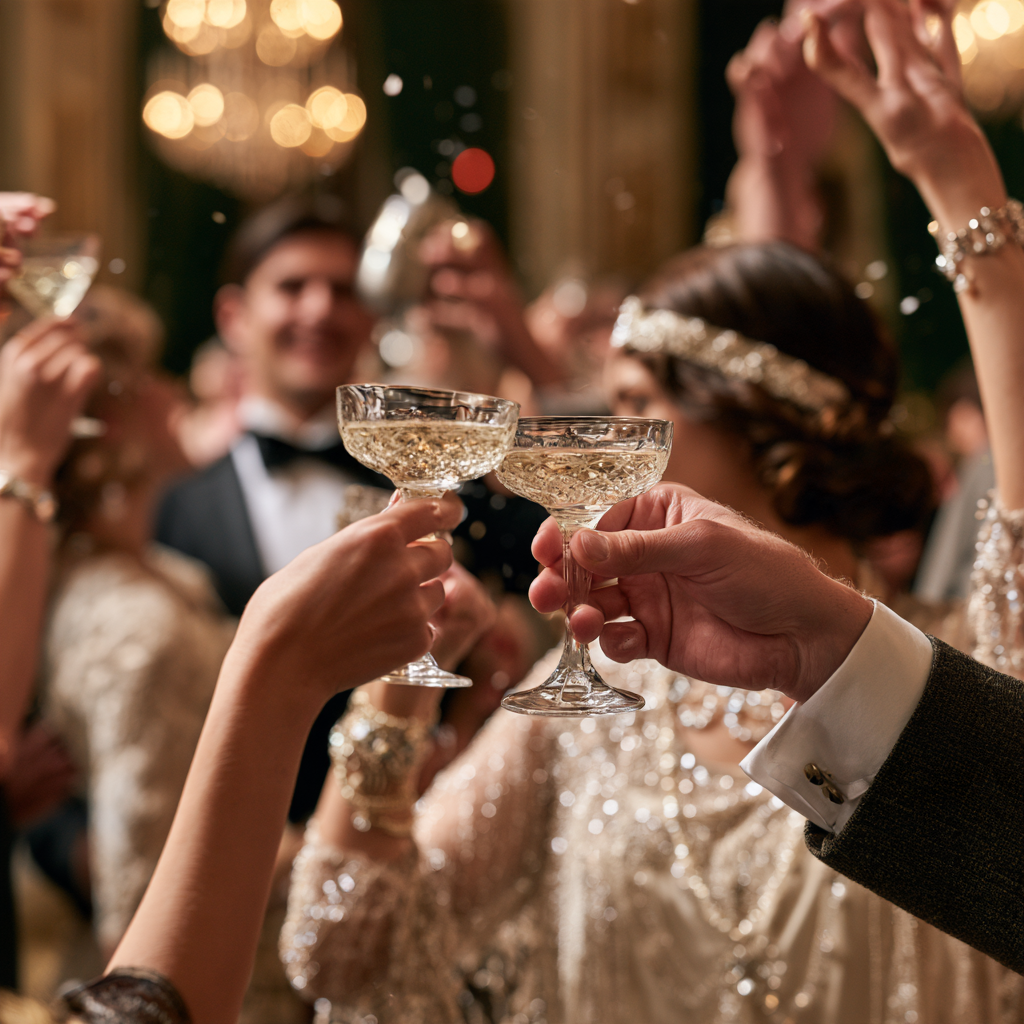
The classic design of the coupe glass dates back to the 17th century and was popular among the socially elite as the default celebratory glass. If you were attending one of Gatsby’s parties, you would definitely be drinking out of a coupe glass!
Our 7-ounce Classic Coupe Glasses are a versatile choice for shaken and stirred cocktails served without ice.
Drinks to be enjoyed in a coupe:

Copyright A Bar Above
Champagne Flute
While Champagne can also be served in a coupe, it does have its own special glass. The Champagne glass is tall and slender with an elegant design, narrow mouth, and dainty stem to hold your glass without warming the Champagne. This flute also holds the bubbles in the glass for slightly longer than the coupe.
Champagne cocktails are a great way to amp up the celebration and are stunning when served in the Champagne flute. Many bartenders are also choosing to add a splash of Champagne to their craft cocktails for a little extra sparkle, so they may decide to use a Champagne flute for those rather than another type of glass. Some of the classic Champagne cocktails include the Kir Royale and the Bellini.

Photo by by Federica Ariemma via www.unsplash.com
Wine Glasses
Though wine glasses are not traditional cocktail glasses, we would be remiss if we left them off the list. Aside from holding wine, a wine glass is also the perfect vessel for serving wine-based cocktails such as Sangria or a larger Champagne cocktail with more mixers.

Copyright A Bar Above
Mixing Glasses
Have you ever heard the famous phrase “shaken, not stirred” in reference to a Martini? (Thanks, James Bond.) A shaken cocktail is crafted by pouring ingredients into a cocktail shaker and shaking it to combine. The shaking also introduces air, which can change the texture and aroma of the cocktail. A stirred cocktail, however, is created in a mixing glass. These sturdy yet stylish glasses allow for more control over the texture and level of dilution. While not a glass that you can drink out of, a mixing glass certainly deserves to be on your list for making cocktails.

Copyright A Bar Above
Honorable Mentions: Popular Bar Glass Styles That Aren’t Exactly Necessary
While many glasses are versatile, there are also a few specialty glasses, such as the Mule mug, Julep cup, Margarita glass, Hurricane, or a brandy snifter. These are fun to have, but your bar will not necessarily be lacking if you do not include these glasses.
“It’s a great idea to have glasses pull double-duty. One glass has a multitude of uses. […] If I had all the space in the universe, I’d love to just have one glass for each drink, but it’s not that possible.” –Adam Stein

Copyright A Bar Above
Martini Glass
One of the most recognizable types of glassware is the Martini glass. It is a pop culture icon (thanks again, Mr. Bond), and its contents are unmistakable.
Martini glasses have a long stem so that you can hold your glass without warming the cocktail itself. The wide mouth of the glass slopes outward, allowing for air to touch as much of the alcohol as possible to open up the spirit. The slope also provides a gentle rest for the iconic garnish on a cocktail pick.
However, the wide brim of this glass also makes it easier to spill. The classic Martini glass is an evolution of the coupe glass, which is by all accounts a little classier looking and less easily tipped over. A coupe’s curved bowl offers an alternative if you find the Martini glass’s open, angular shape awkward to carry.
Prefer the iconic silhouette? Our 6-ounce Classic Martini Glasses are sized for chilled cocktails served up.

Photo by Jon Parry via www.unsplash.com
Craft Beer Glasses
While not specifically for mixed alcoholic drinks, having some pint glasses or other beer glasses on hand can be useful. You can make beer cocktails and even some classic drinks like the Long Island Iced Tea– plus they’re great drinking glasses for water, iced tea, and soda. But if beer is your drink of choice, you may also want to invest in tulip and taster glasses.

Photo by Julie SD via www.unsplash.com
Margarita Glass
While it’s not really necessary to have a dedicated Margarita glass, it can be fun for these classic cocktails. However, a rocks glass is a common replacement, and they’re much easier & smaller to store.

Copyright A Bar Above
Hurricane Glass
If you’re really into frozen cocktails and tiki drinks, this style makes an excellent blended Margarita or Daiquiri glass. If you already have pint glasses on hand, these certainly aren’t a requirement, but they do add a fun, tropical element to your drinks, like the Scorpion and other tiki drinks.

Copyright A Bar Above
Glass Mugs
If you love hot cocktails, choose a mug specifically designed for hot beverages; it’s stylish & classic with the added benefit of seeing the contents. The best-known drinks for this cocktail glass style include an Irish coffee and spiked hot chocolate.
What to Look for When Buying Cocktail Glassware
A beautiful glass is hard to resist. A beautiful glass that fits your drink, your cabinet, and your budget? That’s the keeper.
When Chris chatted Christopher Krause, Adam Stein, and Zane Harris about choosing glasses for home and professional bars, one useful theme sprang from those conversations: Start with the drink you want to serve, then find the glass that suits it.
Fit the Drink—and the Ice
Consider the finished cocktail’s volume, including dilution, serving ice, and garnish. You want enough room to carry it comfortably without making a small drink look lost in an oversized glass.
If you love a big cube in your Old Fashioned, check the glass’s opening as well as its capacity.
Check Your Storage Space
Measure before falling in love with a set of tall stemware. Think about shelf height, the width of the bowls, and how many glasses you can store without crowding them together.
For a small home bar, versatile shapes earn their space. Highballs can serve water and soft drinks, while wine glasses can handle spritzes and Sangria.
Pick Them Up
If you’re shopping in person, hold the glass and notice its balance, weight, and rim. Does it feel comfortable in your hand? Would you enjoy sipping from it?
A substantial base and a comfortable rim can matter more in everyday use than an elaborate design.
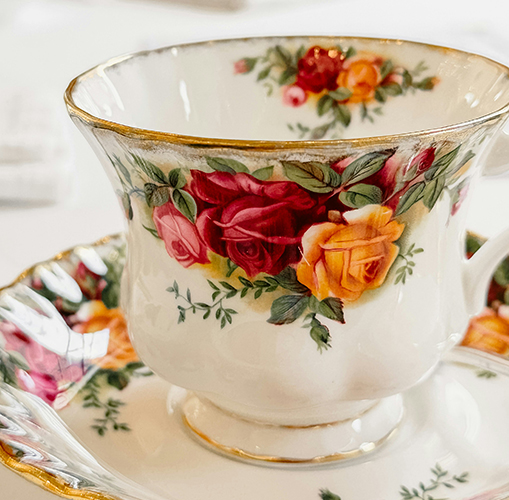
Photo by Nathan Langer via www.unsplash.com
Think About Replacement
Vintage finds can give your bar personality, but replacing a broken glass may be tricky. If you entertain often or need matching sets, check whether you can buy individual replacements.
For a commercial bar, availability and replacement cost deserve particular attention. A gorgeous glass is less practical if you can’t restock it.
Inspect Secondhand Finds
Check the rim, base, and stem for chips or cracks, and choose pieces intended for drinking. A bargain isn’t much of a bargain if it’s damaged.
Matching sets are lovely, but a few deliberately mismatched glasses can be part of the fun.

Photo courtesy of Lauren Modlin-Smith, Craft Cocktail Club member
Cocktail Glassware Buying Checklist
Before that gorgeous set lands in your cart, give it a quick practicality check:
- Storage: Will the glasses fit on your shelves? Check the height and bowl width, and leave enough room to put them away without knocking rims together.
- Budget: Start with shapes you’ll use often. A few versatile glasses can cover plenty of cocktails, leaving specialty pieces for later.
- Breakage: Consider how you’ll wash, store, and use them. Delicate stemware needs more careful handling, and secondhand finds deserve a close check for chips and cracks.
- Replacements: Can you buy individual glasses if one breaks? Easily restocked styles make matching sets simpler to maintain, while vintage finds may call for embracing a little mix-and-match charm.

Copyright A Bar Above
What Glassware Should You Buy First for a Home Bar?
Start with the drinks you actually make. If your favorites are Old Fashioneds and Negronis, rocks glasses will get plenty of use. Love Daiquiris and Manhattans? Add coupes. Prefer refreshing drinks topped with soda or tonic? Prioritize highballs.
For a small, versatile collection, we’d start with:
- Two rocks glasses for short drinks over ice.
- Two coupes for cocktails served up.
- Two highballs for tall drinks with mixers.
That gives you six glasses across three useful shapes. Adjust the quantities to the number of people you regularly serve.
You can add Martini glasses, Nick & Noras, and specialty styles as your interests grow. If cabinet space is tight, choose either coupes or Martini glasses first; many cocktails work in both.
Before buying, check the glass’s capacity, cabinet height, care instructions, and whether your favorite ice cubes fit. The listed capacity usually describes a full glass, so leave room for ice, garnish, and comfortable sipping.
“Good glassware should age well. It should look good from when you get it to when it inevitably breaks. And again, having a multitude of uses for that glassware is a great idea because you’re probably gonna have one piece of stemware at home. You might have a wine glass, a highball glass, and a bucket glass and that’s it. And that’s all you really need for your home bar.” –Chris K.
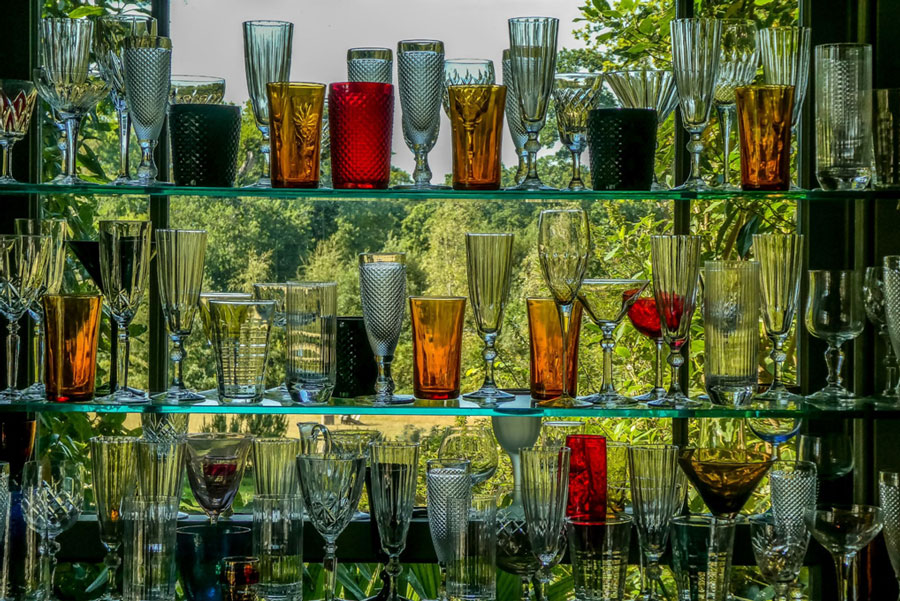
Photo by Nick Fewings via www.Unsplash.com
What If You Don’t Have the “Right” Cocktail Glass?
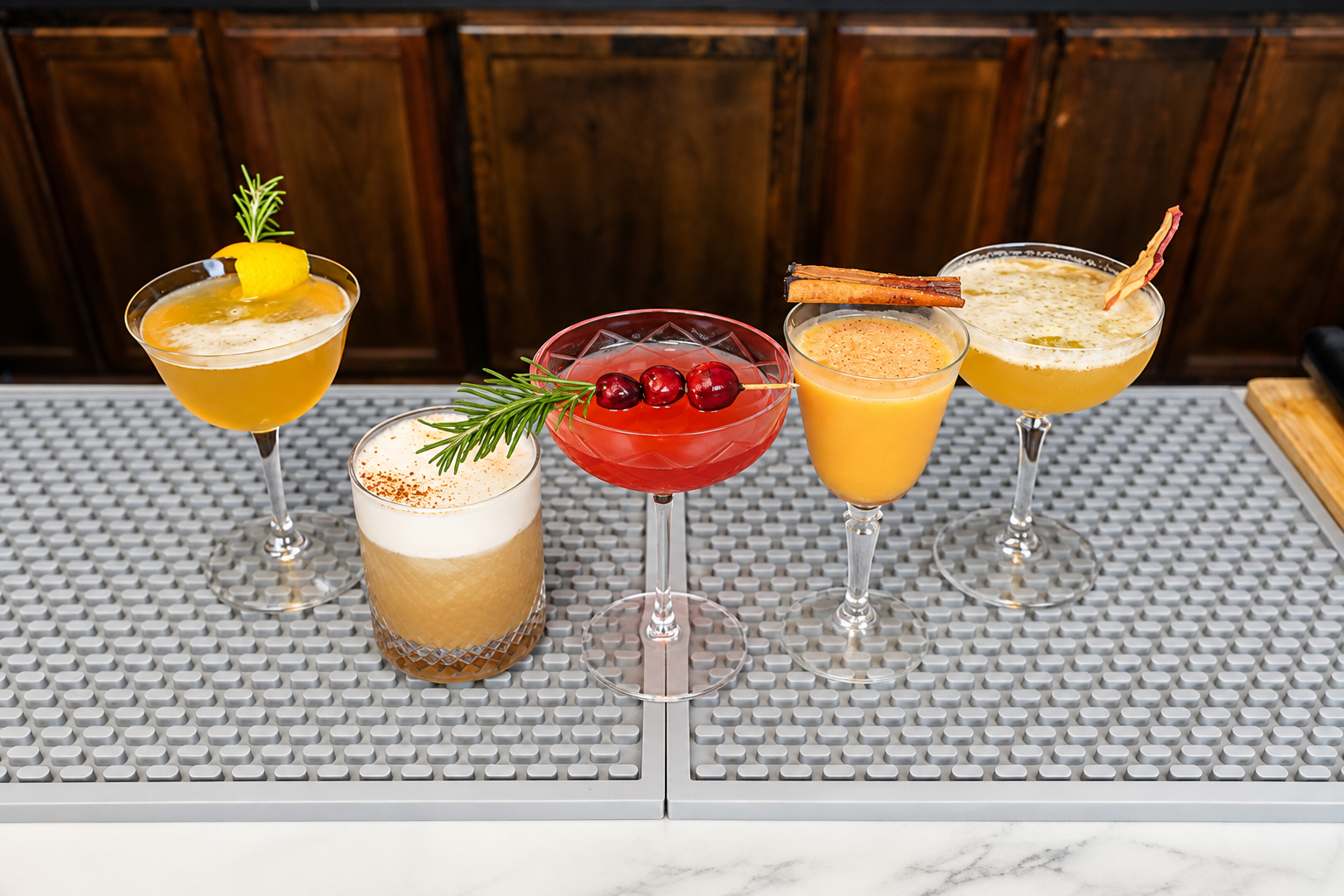
You can make plenty of great drinks without owning every glass in this guide. Match the serving style and capacity, and you’ll usually have a workable substitute.
| If you don’t have… | Try… | Keep in mind |
|---|---|---|
| A Martini glass | A coupe or Nick & Nora | Choose one that holds the finished cocktail with some space below the rim. |
| A Margarita glass | A rocks glass for a Margarita over ice, or a coupe for one served up | Match the glass to whether you’re serving the drink with ice. |
| A Collins glass | A highball | Allow enough room for the recipe, mixer, and ice. |
| A Hurricane glass or tiki mug | A suitably sized highball or pint glass | Check the full serving volume, particularly for frozen drinks or drinks with crushed ice. |
| A Champagne flute | A wine glass or coupe | The presentation and bubble retention will differ, but you can still enjoy the drink. |
The goal is a glass that makes your cocktail comfortable to serve and enjoyable to drink. A dedicated shape can be fun, but it doesn’t have to be a prerequisite.
Copyright A Bar Above
Where to Buy Cocktail Glassware?
For classic glassware, the options are endless. First of all, A Bar Above now sells glassware! So of course, I have to recommend to start there.
Search for the stores that cater specifically to bars and bartenders, such as Collins and coupe. You can also check out the bigger home stores like Crate & Barrel, Williams Sonoma, and West Elm, as they have a substantial selection of cocktail glasses. Their websites have a large variety of glassware to accommodate every cocktail in your repertoire.
If you like a challenge, try searching through thrift stores and garage sales– Some of my favorite glassware has come from these treasure hunts! One of my best finds was a stunning glass teacup with a clover etched into it, which perfectly displayed a stunning Irish Coffee-inspired cocktail in honor of St. Patrick’s Day.
“The generation before us bought a lot of fine china, a lot of crystal ware and never used it. […] As their stuff ends up in thrift stores, it’s absolutely clean and generally comes in sets when I do find it.” —Chris. K.
Don’t forget to think outside of the box! If you know that a lowball needs to be short and wide, why not try a teacup instead? Or feel free to use versatile drinkware you already own, provided it suits the drink’s temperature and serving size.
And check out the thread on our Craft Cocktail Club Facebook group. Novice and professional bartenders from all over offer their best tips and tricks for finding the perfect glass for every cocktail. If you have a question, this is the place to seek an answer. Cheers, and happy shopping!
Copyright A Bar Above, generated with AI
Cocktail Glassware FAQs
What glass should I use for a Martini?
A Martini glass, coupe, or Nick & Nora can all work. Choose a glass that comfortably holds the finished drink after stirring and dilution, with a little space below the rim. Chill it before serving, and hold it by the stem to limit warming the cocktail with your hand.
Can I use a coupe instead of a Champagne flute?
Absolutely, especially if you enjoy the coupe’s vintage presentation. Its wide opening allows bubbles to escape more quickly, though. For sparkling wine, a tulip-shaped glass offers room for aromas to develop while narrowing toward the top. A coupe remains a useful choice for many cocktails served without ice.
What is the minimum glassware set for a home bar?
Rocks glasses, coupes, and highballs cover a wide range of cocktails. Start with two of each for a small home bar, or begin with whichever style suits your favorite drinks. You can add specialty glasses as you need them.
What’s the difference between a highball glass and a Collins glass?
A Collins glass is generally taller and narrower, while a highball is usually a little shorter and wider. Names and dimensions vary between manufacturers, and the two are often interchangeable. Check that the glass holds your recipe plus its ice and garnish comfortably. But honestly, you don’t need both.
How do I choose the right size cocktail glass?
Consider the finished drink, including water added during shaking or stirring, plus any serving ice and garnish. A glass filled to the brim is difficult to carry and sip from. For drinks served up, choose a size that holds the cocktail with some headroom; for drinks over ice, allow extra space for the cubes.
Are cocktail glasses dishwasher safe?
It depends on the glass and company. Our rocks and highball glasses are dishwasher-safe, while we recommend handwashing our stemmed coupe and Martini glasses to protect the stems and preserve their appearance, although they are also technically dishwasher-safe. Always follow the care instructions for the specific product.