Copyright A Bar Above
A fine mesh strainer may not be the biggest or flashiest tool behind your bar, but it actually does a surprisingly important job.
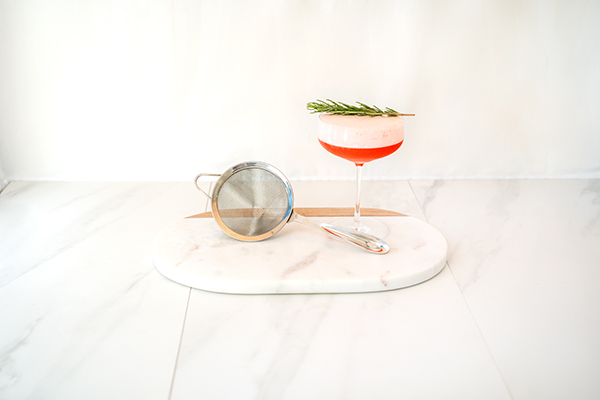
In cocktails, a fine strainer catches tiny ice chips, citrus pulp, bits of fruit, herbs, seeds, and other solids that can slip past your primary cocktail strainer. The result is a cleaner drink with a smoother texture, which is especially useful when you’re working with fresh ingredients.
And because apparently cocktail tools like to moonlight, a good fine mesh strainer is pretty useful in the kitchen, too. You can use it for everything from loose-leaf tea and cold brew to stocks, sauces, kombucha, and powdered sugar.
So let’s look at what a fine mesh strainer actually does, when you need one, and how to choose the right one for your bar.
Copyright A Bar Above
What Is a Fine Mesh Strainer?
A fine mesh strainer is a small handheld strainer made with tightly woven mesh designed to catch very small particles.
You’ve probably seen larger versions in the kitchen (like a sieve or colander), but cocktail fine strainers are typically compact enough to hold comfortably over a serving glass while you pour a drink through them.
Behind the bar, they’re generally used as a secondary strainer. Your Hawthorne or Julep strainer holds back the ice and larger ingredients first, while the fine mesh strainer catches the smaller pieces that make it through. That’s why you’ll often hear bartenders refer to the process as double-straining.
If you want a broader look at how all the different strainers work, check out our guide to cocktail strainers.

Copyright A Bar Above
What Is a Fine Mesh Strainer Used for in Cocktails?
The main reason to use a fine mesh strainer is texture.
Sometimes you want a cocktail to have bits of crushed ice, fruit, or herbs. Other times, you want the finished drink to be silky smooth and completely free of debris. A fine mesh strainer gives you more control over that final result.
It’s especially useful for catching these:
- Ice chips: Shaking a cocktail breaks down some of the ice inside your shaker. A Hawthorne strainer (used on a shaker) or julep strainer (used on a mixing glass) catches the larger pieces, while a fine strainer can keep those smaller shards from ending up in your glass.
- Citrus pulp: Fresh lemon, lime, grapefruit, and orange juice can introduce pulp into a drink. Fine-straining creates a cleaner final texture when you don’t want that fresh juice pulp in the finished cocktail.
- Muddled fruit: Berries and other fresh fruits leave behind seeds, skins, and small pieces that can easily make it through a primary strainer.
- Fresh mint and other herbs: If you’ve shaken or muddled mint, basil, or another fresh herb, fine-straining can keep tiny pieces from floating around in the finished drink.
- Seeds and other small solids: Depending on your ingredients, a fine strainer can catch all sorts of little things you’d rather not encounter mid-sip.
- Egg whites in cocktails: Love Whiskey Sours? Then you’ll need a mesh strainer to keep your cocktails free of any larger egg white particles that don’t get thoroughly mixed, creating a smooth drink and gorgeous foam.
Basically, if you’ve ever taken a beautiful first sip of a cocktail only to get a tiny mint leaf stuck to your teeth, you understand the appeal.

Copyright A Bar Above
How to Double-Strain a Cocktail
Double-straining sounds more complicated than it actually is. Honestly, it’s really easy:
- First, place your Hawthorne or Julep strainer over the shaker or mixing glass as you normally would.
- Then hold your fine mesh strainer over the serving glass and pour the cocktail through both strainers.
That’s it! The primary strainer catches the ice and larger solids, while the fine mesh catches the smaller particles. We have a complete guide on how to double-strain a cocktail if you want a closer look at the technique.
And no, you don’t need to double-strain every cocktail you make.
If you’ve made a drink without fruit, herbs, pulp, seeds, or lots of tiny ice fragments, that second strainer isn’t necessary. Some cocktails are also intentionally served with more texture. You really only need to fine-strain when it improves the finished drink by removing very small particles you don’t want included.
Copyright A Bar Above
Fine Mesh Strainer vs. Hawthorne Strainer
A fine mesh strainer and Hawthorne strainer aren’t really alternatives to one another. They perform different jobs and are frequently used together.
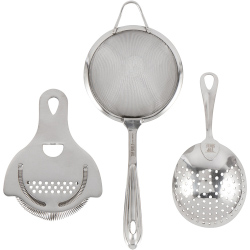
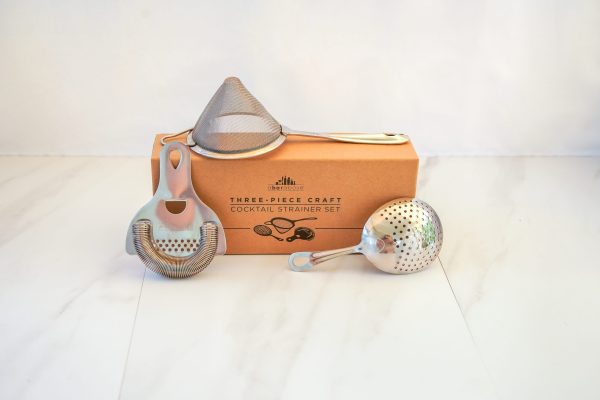
A Hawthorne strainer is a primary cocktail strainer. Its perforated plate and coiled spring help hold back ice and larger solids as you pour from a shaker tin.
A fine mesh strainer is typically the secondary strainer. Its tightly woven mesh catches much smaller particles after the drink has passed through the primary strainer. You can think of the Hawthorne as doing the heavy lifting while the fine mesh handles the cleanup.
And if you’re making a stirred cocktail in a mixing glass, you may encounter a Julep strainer instead. Like the Hawthorne, it’s a primary strainer rather than a substitute for fine mesh, and you can use them together to double-strainer from a mixing glass.
Copyright A Bar Above
Other Uses for a Fine Mesh Strainer
Obviously, our focus here at A Bar Above is cocktails. But once you own a good fine mesh strainer, you’ll probably find yourself stealing it from the bar for kitchen duty.
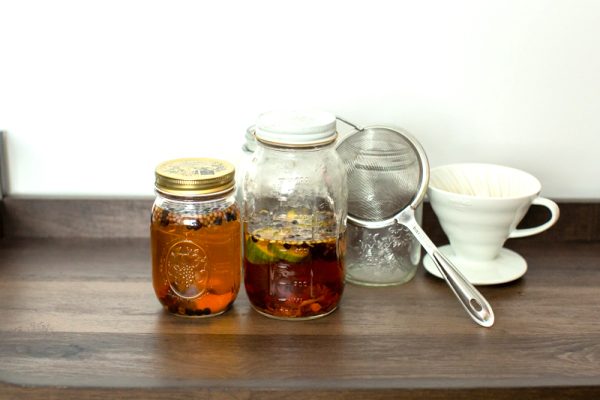
- Tea: Pour loose-leaf tea through the mesh after steeping to catch stray leaves. Depending on the size and design of your strainer, you may also be able to use it as a simple tea infuser in a pinch.
- Coffee & Cold Brew: A fine strainer can help catch stray coffee grounds and sediment, particularly when you’re making homemade cold brew. For finer particles, you may still want to pair it with an appropriate coffee filter.
- Fresh Juice: Strain freshly squeezed citrus and other fruit juices before adding them to cocktails, mocktails, homemade sodas, or other drinks when you want to remove pulp and seeds.
- Stocks & Sauces: Use a larger fine mesh strainer to separate herbs, spices, and other solids from homemade stocks, sauces, or purées.
- Baking: A clean, dry fine mesh strainer works well for sifting small amounts of powdered sugar or cocoa over baked goods. It can also help break up small clumps in dry ingredients like flour and baking soda.
- Purées & Custards: For recipes where you want a particularly smooth texture, you can press a purée, custard, or sauce through the mesh to catch unwanted solids.
So no, your cocktail strainer doesn’t technically have to remain behind the bar. Just make sure nobody has recently used it to sift powdered sugar before you start double-straining Daiquiris through it.

Copyright A Bar Above
How to Choose a Fine Mesh Strainer
Fine strainers are simple tools, but there are still a few things worth considering before buying one.
- Mesh: The mesh needs to be fine enough to catch the small particles you’re trying to remove without making it unnecessarily difficult to pour a drink through it.
- Size: Smaller strainers are convenient for individual cocktails and generally easier to store. Larger baskets give you more surface area and capacity, which can be useful for higher-volume work or kitchen tasks.
- Material: We prefer food-safe stainless steel because it’s durable, easy to clean, and well suited to regular bar use.
- Handle: Look for a comfortable handle that gives you good control when you’re holding the strainer over a glass.
- Construction: Pay attention to how the handle, basket, and frame are attached. Strong construction matters, particularly if your strainer is going to see frequent professional use.
- Cleaning: Check whether the strainer is dishwasher safe or requires hand-washing. Fine mesh loves collecting tiny bits of ingredients, so easy cleaning is a pretty significant feature.

Copyright A Bar Above
What Size Fine Mesh Strainer Do You Need?
There isn’t one perfect size for everyone.
A smaller fine mesh strainer is a great choice if you’re primarily making one or two cocktails at a time. It’s compact, easy to maneuver over a glass, and doesn’t take up much storage space.
A larger strainer gives you more surface area and capacity. That can be useful when you’re working with larger quantities, dealing with particularly pulpy ingredients, or planning to use the strainer for kitchen tasks as well as cocktails.
Professional bartenders may also appreciate the additional capacity when they’re making drinks repeatedly throughout a shift.
Ultimately, choose based on how you’re actually going to use it, rather than assuming bigger automatically means better.
Copyright A Bar Above
How to Clean a Fine Mesh Strainer
The downside of a tool specifically designed to catch tiny particles is that, well, it catches tiny particles.
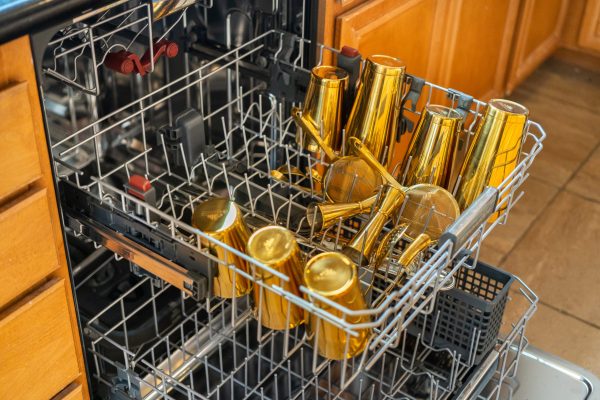
Give your strainer a thorough rinse shortly after using it so fruit pulp, herbs, syrups, and other ingredients don’t have a chance to dry inside the mesh. If something gets stuck, a small soft brush can help dislodge particles without damaging the screen. If your particular strainer is dishwasher safe (ours is!), you can also run it through the dishwasher after rinsing away the larger debris.
After cleaning, allow it to dry thoroughly before putting it away.
This is one of those bar tools where “I’ll wash it later” can turn into “why is there mint permanently living in here?” surprisingly quickly. So just make sure to rinse it out right away, and you should be good to go for your next round.
Copyright A Bar Above
When Should You Replace a Fine Mesh Strainer?
A well-made stainless-steel strainer should last a long time, but it’s still worth checking yours periodically.
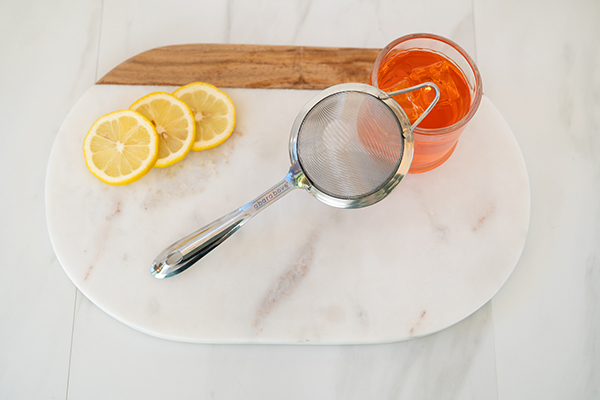
Consider replacing it if the mesh has become badly bent or separated from the frame, the handle or welds are damaged, you’ve noticed corrosion, or the strainer has become difficult to clean thoroughly.
A slightly misshapen basket isn’t necessarily a catastrophe. A strainer that’s coming apart or can no longer be properly cleaned is another story.
Copyright A Bar Above
A Bar Above Fine Mesh Cocktail Strainers
We designed our fine mesh strainers with bartenders in mind, which means durability, comfortable handling, and construction that can stand up to regular use matter more to us than simply making something that looks pretty hanging behind the bar.
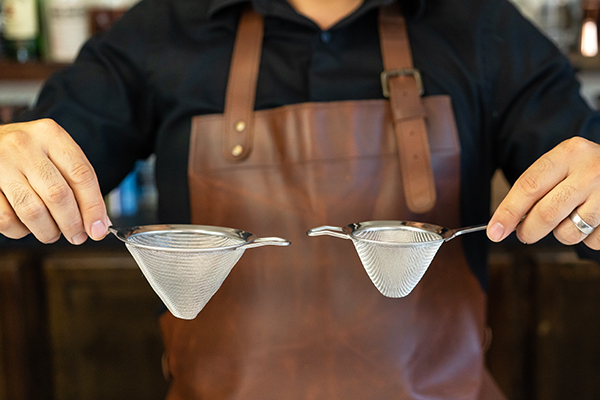
We offer different sizes so you can choose the option that makes sense for the way you work. A smaller fine mesh strainer is convenient for individual cocktails and compact storage, while a larger mesh basket provides more capacity and surface area.
Pair your fine mesh strainer with a Hawthorne strainer and you’ve got the classic setup for double-straining shaken cocktails.
Add a good Boston shaker and jigger, and you’re well on your way to a seriously functional home or professional bar setup.
Copyright A Bar Above
Small Tool, Smoother Cocktails
A fine mesh strainer isn’t the most complicated piece of barware you’ll ever own, but once you start using one, you’ll definitely notice when it’s missing.
It gives you more control over the texture of your cocktails, catches the tiny stuff your primary strainer leaves behind, and happens to be pretty handy around the kitchen, too.
Pair it with a good Hawthorne strainer, learn when double-straining actually improves the drink, and you’ll have another simple technique in your cocktail-making toolbox.
Mint leaves between your teeth not included.