
Table of Contents
- Cocktail Cherry Overview
- Cocktail Cherries: Not All the Same
- Types of Cocktail Cherries Explained
- Why Use Quality Cocktail Cherries?
- Cocktail Cherry Comparison: Which Should You Buy?
- Best Cherries for Cocktails: A Cherry for Every Budget
- How to Make Your Own Brandied Cherries
- Which Cherry Should You Use for Which Cocktail?
- Cocktail Cherry FAQ
The cocktail cherry is quite simply one of the most misunderstood ingredients in drinks.
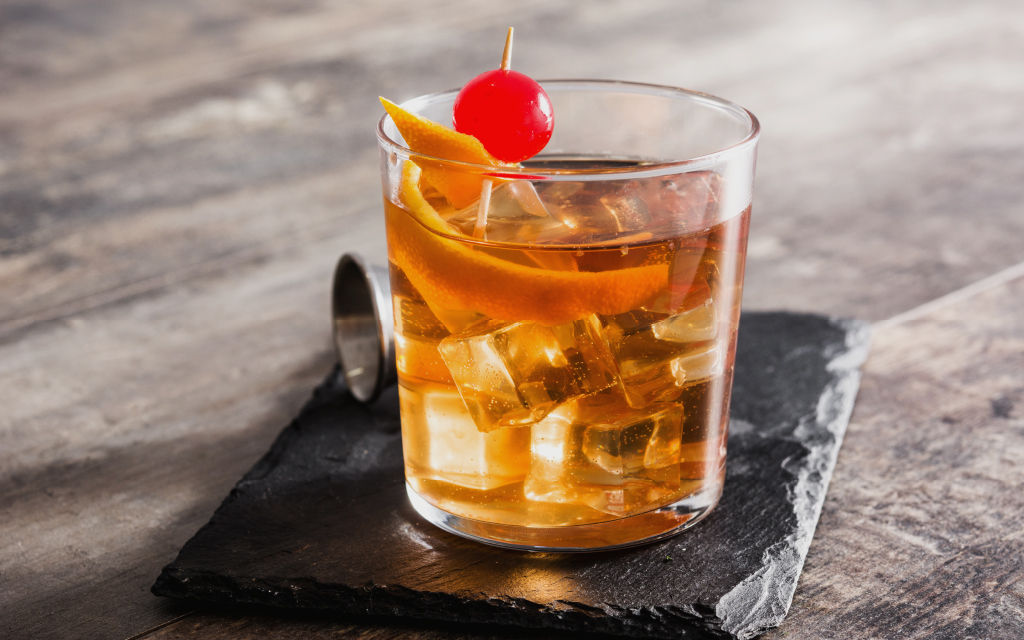
We’ve all been there. You walk into a slightly questionable bar and order an old fashioned. They then instantly whip out the orange slices and neon maraschino cherries and proceed to muddle with vigor.
Not only is this not a good way to make an Old Fashioned, but their cherry usage is all wrong.
I’m just going to come out and say it: There is never an acceptable time to use the common, artificial maraschino cherries in a drink. There’s always a better option.
Today we’re going to look at everything cocktail cherries. After reading this, you’ll know which cherries to buy, when to use them, the differences between each, and how to make cherries elevate your drink rather than detract from them.
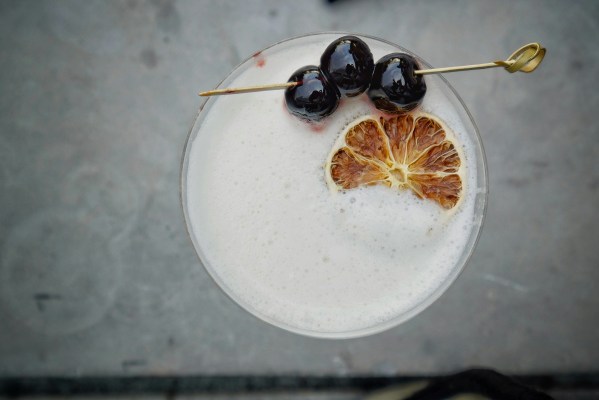 Photo by JP Holecka via www.unsplash.com
What is a Cocktail Cherry?
At its simplest, a cocktail cherry is a cherry used as a garnish in cocktails.
There are two main camps of cocktail cherries: the neon red “maraschino” cherries you buy at any old supermarket, and what I’ll call “craft” cocktail cherries, which are less common, often more expensive, and taste infinitely better.
Cocktail Cherries: Not All the Same
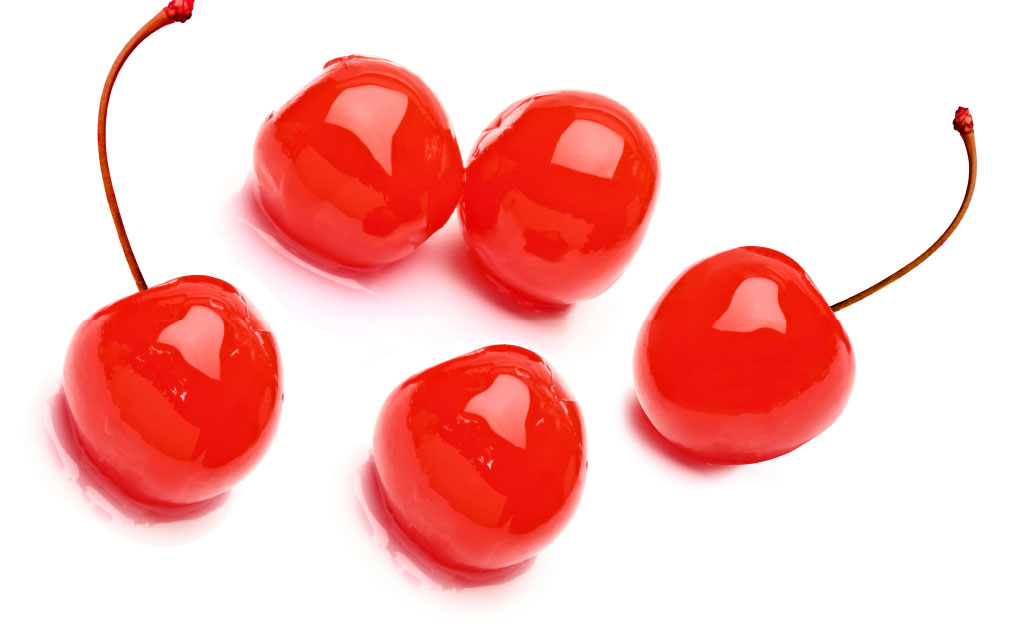
Chances are, the first thing that comes to mind when you think of a cocktail cherry are the aforementioned bright red maraschino cherries.
I don’t want to belabor the point, but what we’ve come to accept as the traditional cocktail cherry is really just a combination of chemicals and sugar syrup used to dye the cherries their neon red color.
For a richer cherry flavor and a less candy-like finish with all the chemicals, try one of the options below instead.
You’ll find that cocktail cherries can be found by many different names: brandied cherries, amarena cherries, and in some cases still maraschino cherries (but, more often than not, those are the traditional bright red variety.)
Fortunately over the last decade or two, we've seen a resurgence of "craft" cocktail cherries made with natural ingredients (and not bleached, might I add). These cocktail cherries are not only unique and flavorful, but they can truly enhance your cocktail's flavor and appearance.
I still remember the first Manhattan I ordered that had a brandied cherry floating in it. After one bite, I immediately asked the bartender “What is this??” It was that good.

Types of Cocktail Cherries: Explained
Still a little confused as to the differences between all of these cherries? Thought so.
Here are some of the most common terms you should know:
- Maraschino Cherry - The overly sweet, bright red cherry you’re used to seeing on ice cream sundaes and in poorly made old fashioneds.
- Luxardo Maraschino Cherry - Luxardo brand cherries use a natural process where they soak marasca cherries in marasca cherry syrup. The flavor is much more complex than common maraschino cherries and is the most well known high-end “cocktail cherry.”
- Amarena Cherry - This is a specific type of cherry commonly used to make craft cocktail cherries. On their own, these are relatively tart cherries. The flavor, however, can become sweeter depending on how brands bottle them in syrup. Regardless, you can usually bet if you see cherries marketed as “Amarena cherries,” they’ll probably be good in your cocktails.
- Brandied Cherry - These are cherries that have been soaked in brandy, sugar, and water to create a uniquely flavored cocktail cherry. You’ll often see Amarena or Luxardo cherries referred to as brandied cherries, but technically that would be incorrect as those usually aren’t soaked in alcohol.
- Cocktail Cherry - This is a very broad term used to describe any syrup- or alcohol-soaked cherry to be used in cocktails. Any of the cherries above could accurately be called a cocktail cherry. But as you’ll see in this post, not all cocktail cherries are created equal.

Why Should You Buy High-Quality Cocktail Cherries in Your Drinks?
A drink with a proper cherry is one of those small indicators that shows that your bartender probably knows what they’re doing.
When it comes to cherries for modern cocktails, a brandied cherry can serve two purposes:
- It can enhance the look of a drink.
- It can complement the flavor of a drink.
And oftentimes, it will do both.
While a neon cherry might recall memories of childhood ice cream sundays, a craft cherry on a beautiful cocktail pick served over your manhattan elevates the drink.
Not only does the slight sweetness complement the whiskey, but the darker color of the cherry looks wonderful with stirred drinks.
You can also use the syrup to add cherry flavor and sweetness to a cocktail. Start with a small measured amount, taste, and adjust. Depending on the drink, you may want to reduce another sweetener to keep everything balanced.
Side note: If you make drinks with garnishes on a regular basis, do yourself a favor and buy some cocktail picks. They’re reusable and look so much more elegant than a toothpick.

Best Cherries for Cocktails: A Cherry for Every Budget
Now the all-important question: Which cherries are the best for cocktails?
We’ve established the difference between the traditional cocktail cherry and the brandied cocktail cherry, but that still begs the question: Which should you buy?
Unfortunately, this isn’t as straightforward as it seems.
There’s no one brand or style of brandied cherries that works for drinks; in fact, you’ll find numerous brands of these cherries that are all slightly different from one another.
A general rule of thumb is that anything labeled as an “Amarena cherry” is probably going to be a safe bet to buy to elevate your cocktail.
But even within that parameter, there are differences. Some are soaked in alcohol while others are just in flavored syrup.
Prices can be all over the map as well, so how do you know that you’re getting the good stuff? Fortunately, we’ve got you covered. Below are five of our favorite brands of cocktail cherries.
Prices vary by retailer and jar size. Use the comparison table above as a general guide, then check current pricing before buying. [Note: Prices have been updated November 2026.]
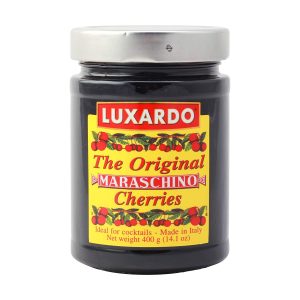 Stock photo via Luxardo
1) Luxardo Maraschino Cherries (Approx $20-25 for 14oz jar)
Luxardo Maraschino Cherries are essentially the Ferrari of cherries. You’ll find them in many of the world’s best bars, they are still made in Italy by soaking the cherries in marasca cherry syrup, and the process is all-natural. They’re expensive but are the gold standard of cocktail cherries.
Non-Alcoholic
Cost Per Cherry: Approx: $0.55
 Stock Photo via Fabbri
 Stock Photo via Fabbri
2) Amarena Fabbri Wild Amarena Cherries (Approx $20 for 8oz jar)
Amarena Fabbri is another well known brand of cocktail cherry. They come in a distinctive (and beautiful) blue and white jar and are actually often more expensive than the Luxardo cherries. These use sweeter cherries than some of the other brands, so if you prefer that style of cherry, this is a great one to go with.
Non-Alcoholic
Cost Per Cherry: Approx $0.80
Member Quote: Kyli Lepper “[I like] Amarena Fabbri Wild Cherries in Syrup. They taste like sweet and tangy cherries.”
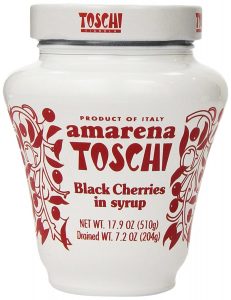 Stock photo via Toschi
3) Amarena Toschi (Approx $16-21 for 18oz jar)
Amarena Toschi has similar packaging to the Fabbri mentioned above but in a red-and-white jar. The major difference between these is the fact that Amarena Toschi cherries use a more tart cherry. All cocktail cherries have an inherent sweetness due to being soaked in syrup, so these slightly more tart variations can provide a nice balance.
Non-Alcoholic
Cost Per Cherry: $0.36
 Stock Photo via Trader Joe's
4) Trader Joe’s Pitted Amarena Cherries ($5 for 16oz jar)
Moving towards the budget side of things, Trader Joe’s sells their own version of Amarena cherries on a seasonal basis. They’re much more affordable than other brands and work perfectly for cocktails at home. So if you see them, don’t hesitate to pick up a jar!
Non-Alcoholic
Cost per Cherry: $0.16
Member Quote: Lisa MacDonald Cook “[I like] Trader Joe’s.”
 Stock Photo via Tillen Farms
 Stock Photo via Tillen Farms
5) Bada Bing Cherries (Approx $10 for 14oz Jar)
Bada Bing is one of the favorites from members of the Craft Cocktail Club Facebook group. Despite not being marketed as “Amarena cherries,” members loved that they were affordable, and many remarked that they even liked them better than the original Luxardo cherries. High praise for a product that can often be found for a fraction of the price.
Non-Alcoholic
Cost Per Cherry: $0.40
Member Quote: Tami Yock Richardt “I like Bada Bing better than Luxardo. The juice is perfect to mix into an old fashioned, too.”
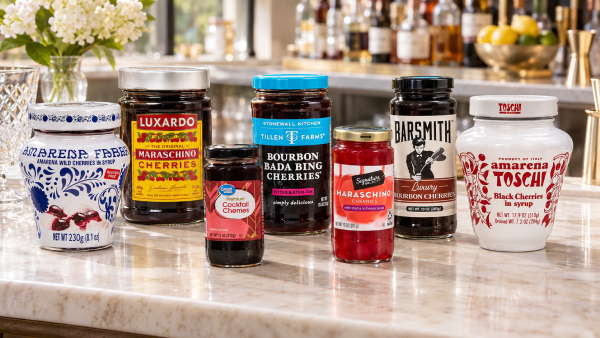 Copyright A Bar Above, generated with AI
Cocktail Cherry Comparison: Which Should You Buy?
Start with the style of cherry you enjoy, then compare prices for similar jar sizes. A lower sticker price doesn’t always mean better value, especially when one jar contains considerably more fruit.
One distinction worth remembering: Luxardo is a brand, amarena describes a type of sour cherry, and brandied describes a preparation. A dark cocktail cherry isn’t necessarily soaked in alcohol.
| Brand or option | Cherry type and preparation | Price tier | Flavor profile | Best use |
|---|---|---|---|---|
| Luxardo Original Maraschino Cherries | Marasca cherries candied in marasca cherry syrup | Premium | Concentrated cherry flavor with a balance of sweetness and tartness | Manhattans, Old Fashioneds, and other drinks where you want a rich cherry garnish |
| Fabbri Amarena Cherries | Amarena cherries, semi-candied in syrup | Premium | Sweet syrup balanced by the fruit’s sour-cherry character | Whiskey Sours, Manhattans, and cocktails that suit a sweet-tart finishing bite |
| Toschi Amarena Cherries | Sour cherries candied in syrup | Midrange to premium | Sweet-tart cherry flavor | An all-purpose option for whiskey cocktails and experimenting with cherry syrup |
| Tillen Farms Bada Bing Cherries | Large, pitted Bing cherries in syrup, with stems | Midrange | Pronounced sweetness and full cherry flavor | Old Fashioneds and drinks where a larger, stemmed garnish suits the presentation |
| Homemade brandied cherries | Fresh cherries steeped in brandy and sweetened liquid | Variable | Depends on the fruit and brandy, with an alcoholic character | Manhattans, Old Fashioneds, and brandy cocktails |
Price tiers are a general shopping guide, not a fixed ranking. Compare the jar size and current price before buying. Homemade cherries aren’t automatically cheaper once you include the fruit and brandy.
 Copyright A Bar Above
How to Make Your Own Brandied Cherries
Finally, for the more adventurous home bartender, you can make your own brandied cherries!
It’s actually a very simple process using nothing more than brandy, sugar, and cherries.
Fortunately, Julia & Chris collaborated with another cocktail cherry producer to create an in-depth guide on how to make your own brandied cherries for easy reference.
Homemade brandied cherries won’t be identical to thick, candied Luxardo cherries. They offer a different experience: fruit steeped in sweetened brandy, with a texture and flavor influenced by the cherries you start with.
 Copyright A Bar Above, generated with AI
Homemade Brandied Cherries Recipe
Adapted from Sunset’s Brandied Cherries recipe.
Ingredients
- 1 pound fresh Rainier cherries, washed, stemmed, and pitted
- 1½ cups granulated sugar
- 1 cup water
- 1 cup brandy
- 1 cinnamon stick, approximately 3 inches long
Instructions
- Place the cherries and cinnamon stick in a clean, heatproof quart jar.
- Heat the sugar and water in a saucepan, stirring until dissolved. Remove from the heat and stir in the brandy.
- Pour the liquid over the cherries, keeping the fruit submerged.
- Let cool, cover, and refrigerate within two hours.
- Allow at least one month for the cherries to absorb the flavors. Keep refrigerated and use within four months of preparation.
These cherries contain alcohol and require refrigeration; this is not a shelf-stable canning recipe.
 Copyright A Bar Above
Which Cherry Should You Use for Which Cocktail?
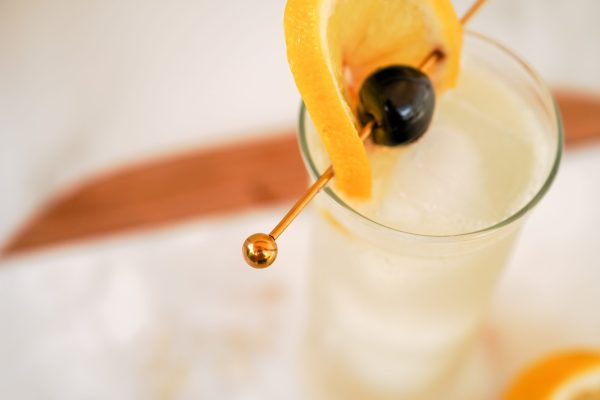
You don’t need a different jar for every drink. One cocktail cherry you enjoy can work across several recipes, but these pairings give you a place to start.
Manhattan
Try a Luxardo maraschino cherry or a brandied cherry. A concentrated cherry garnish complements the whiskey and sweet vermouth, while a brandied version brings a different, boozy finishing bite.
Serve it on a cocktail pick so you can enjoy the cherry without fishing around in the glass.
Old Fashioned
Luxardo, amarena, and brandied cherries can all work here. Choose according to your preference for rich sweetness, tart fruit, or brandy character.
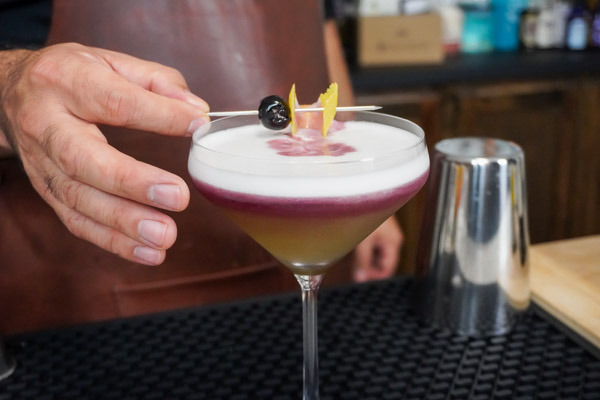
Drain the cherry before adding it if you want to preserve the balance of the recipe. If you deliberately add cherry syrup, measure it and consider reducing the drink’s other sweetener.
 Copyright A Bar Above
Whiskey Sour
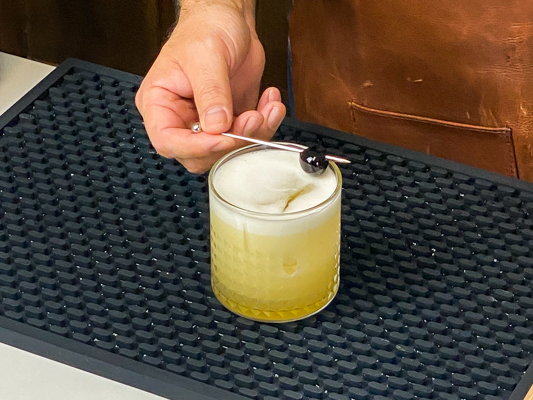
Try a sweet-tart amarena cherry alongside the citrus. It gives you a contrasting bite between sips without needing to change the cocktail itself.
For a larger, sweeter garnish, a stemmed Bada Bing cherry is another option.
Brandy Cocktails
Homemade brandied cherries are a natural starting point when you want the garnish to echo the base spirit. Try one with a brandy Old Fashioned, adjusting the drink’s sweetness separately.
Non-Alcoholic Drinks
Choose syrup-packed cherries made without alcohol, and check the label for the specific product. Brandied cherries and other spirit-soaked varieties add alcohol even when the drink itself is non-alcoholic.
Using the Syrup
Cherry syrup can sweeten and flavor a cocktail, but it isn’t a neutral addition. Start with a small measured amount, taste, and adjust. Different jars vary in sweetness and intensity, so don’t assume their syrups are interchangeable.
There are so many different drinks that can be enhanced by a quality cocktail cherry. What are your favorite drinks to use brandied cherries in? Did I miss your favorite brand? Share your thoughts in the Craft Cocktail Club or leave a comment below!
Cocktail Cherry FAQs
What’s the difference between maraschino, Amarena, and brandied cherries?
Maraschino can refer to different styles, including bright red cherries you find in a Shirley Temple and Luxardo’s marasca cherries in syrup.
Amarena cherries are sour cherries commonly preserved in sweet syrup. Brandied cherries are prepared with brandy, so the term describes how they’re made rather than a particular cherry variety.
Are Luxardo cherries soaked in alcohol?
Luxardo Original Maraschino Cherries are packed in marasca cherry syrup, not brandy or maraschino liqueur. Despite their name, they’re a different product from Luxardo’s alcoholic Maraschino liqueur and do not contain alcohol.
What are the best cherries for an Old Fashioned or Manhattan?
Luxardo maraschino cherries, syrup-packed Amarena cherries, and brandied cherries are all good options. Choose according to whether you prefer concentrated cherry sweetness, sweet-tart fruit, or a more alcoholic flavor. Drain the cherry before garnishing unless you intentionally want to add its syrup to the drink, which will add a more sweetness. You may need to adjust your recipe accordingly if you plan to include cherry syrup in the final drink.
Do cocktail cherries need to be refrigerated after opening?
Follow the instructions on your specific jar. Storage recommendations vary between products, so don’t assume every cocktail cherry should be stored the same way. Homemade refrigerated brandied cherries should stay refrigerated throughout their storage period. Luxardo cherries do not have to be refrigerated after opening, although we find that they keep for a very long time if you do store them in the fridge.
Can I use cocktail cherry syrup in drinks?
Sure! The syrup adds both cherry flavor and sweetness. Start with a small measured amount, taste, and adjust the drink’s other sweetener if needed. Syrup from brandied or other spirit-soaked cherries can also add alcohol and that alcoholic "bite" in flavor, so just make sure to taste and adjust to your preference.

Sean Ogle
Sean Ogle is the founder of Slightly Pretentious, where he writes about cocktail recipes and is on a quest to visit the top 100 bars in the world. When he's not doing that he can probably be found on a golf course, or sneaking into some other high-class establishment where he most certainly doesn't belong.


I recently discovered cocktail cherries and was very impressed by Peninsula Premium Cocktail Cherries. I’ve yet to try Luxardo but will remedy that soon!
Oh, thanks for the rec! I haven’t tried Peninsula, but I’ll have to grab some for the team to try this week. 🙂