
Copyright A Bar Above
Table of Contents
- How to Make the Flying Dutchman Cocktail
- History of the Flying Dutchman Cocktail
- Ingredients
- Variations
- Final Thoughts & Recipe
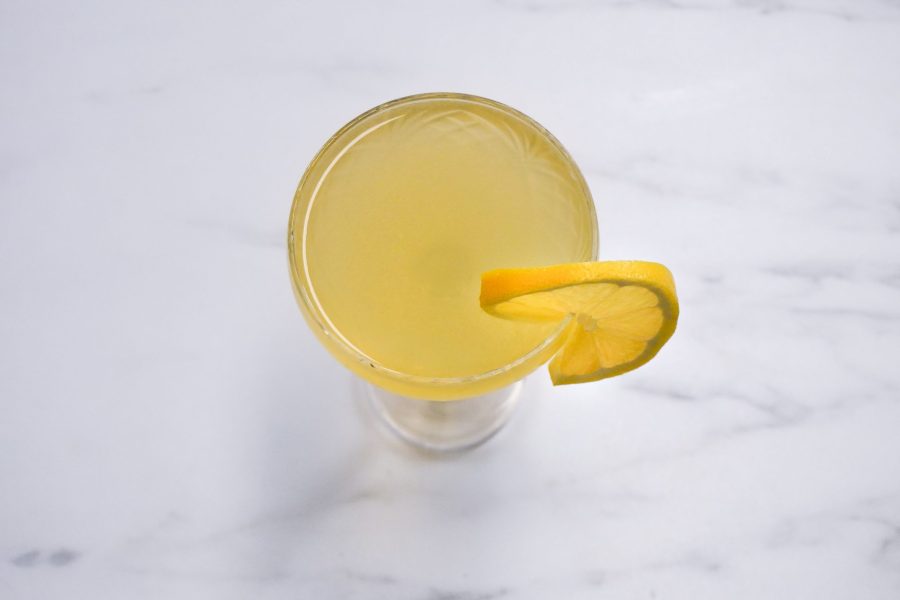
Hey, cocktail loving friends! I’m really excited about today’s drink: The Flying Dutchman. It’s a citrusy, balanced drink that highlights the complexity of genever and two different liqueurs– and it takes you on quite a ride.
Note that we’re not making the traditional recipe today but a more “grown up” version if you will, so our recipe may vary from others you come across.
This craft cocktail is a lesser-known classic that’s a bit of a flavor roller coaster, starting light and lemony and finishing with a startling richness.
Personally, I’d never had one of these before, but when Chris and Rob mixed it up for the below video, I was so surprised by how it starts with lemon and vanilla, suddenly followed by baking spices and a heavy mouthfeel. It’s one of those drinks that just keeps developing for a few seconds after sipping.
How to Make the Flying Dutchman Cocktail
Check out the video above to see Chris make the Flying Dutchman cocktail recipe. It’s actually an easy drink to make and a fantastic way to showcase the nuances of genever (or gin, if you’re using that instead, although it of course won’t come across quite the same).
Copyright A Bar Above
History of the Flying Dutchman
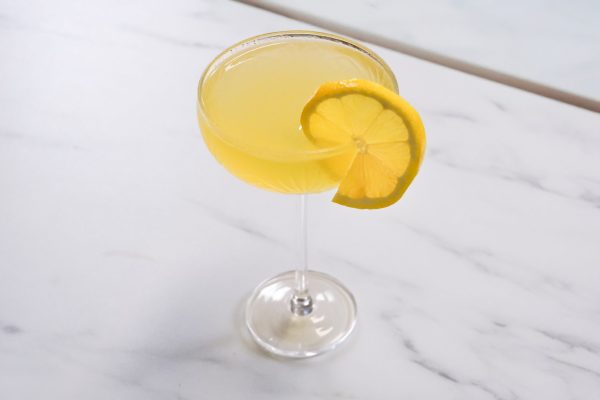
Most likely named after the famed ghost ship, this mixed drink’s origins are a little murky. Cointreau states that the original first appeared in 1948, while I’ve seen various references to it first appearing in a Dutch cocktail book in the 1950s.
Technically, this is version #2, created (or reformatted) by bar manager Brian MacGregor at Jardinière in San Francisco around 2012, so at least that origin story is settled.
The original recipe offered a no-fuss approach of early European cocktails– some say it actually called for orange gin, while others say it always used genever. The version we’re working with today also adds citrus to brighten the drink and find some balance with the heavier ingredients.
Copyright A Bar Above
Ingredients
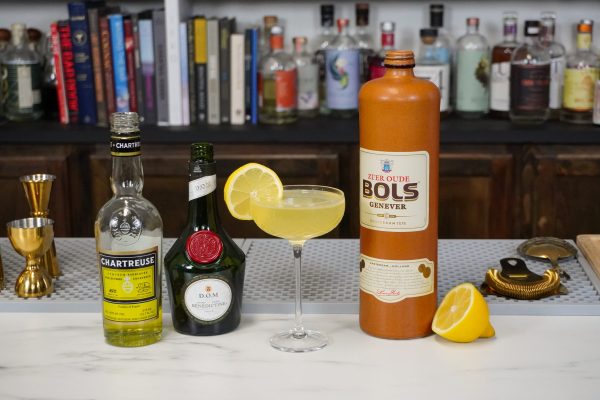
As I mentioned, we’re creating a more modern version of this refreshing cocktail today, so our ingredients differ a bit from some of the recipes you’ll see floating around. Either way, this amazing cocktail relies on just a few key ingredients to create its signature flavor:
- Genever or Gin: Genever offers a malty, rich base, while gin provides a brighter, more botanical-forward character. They’ll both work here, but we’re opting for the richness of genever.
- Bénédictine: This French liqueur adds deep herbal notes and honey, with just a hint of orange. It’s a really unique spirit that pairs beautifully with the botanicals of genever– However, you’ll often see recipes that call for an orange liqueur like Cointreau or generic triple sec, which will also work if you already have those on hand.
- Lemon Juice: A splash of fresh lemon juice brightens the drink, balancing the sweetness with a tart citrus kick.
- Yellow Chartreuse: We’re going with an elevated recipe here, which calls for this delicious herbal liqueur. However, if you don’t have it and can’t find it, you can use a substitute or use a few dashes of orange bitters to enhance the citrus notes and add aromatic depth.

Photo by Yayo Davila via www.unsplash.com
Variations
This classic cocktail is so rich and deep in flavor already. But it’s also an excellent canvas for experimentation, so here are a few fun twists:
- Smoky Dutchman: Use a smoky mezcal or peated Scotch instead of genever for an earthy, bold version of the drink.
- Spiced Dutchman: Add a pinch of cinnamon or nutmeg to the orange liqueur or Bénédictine for a warm, spiced twist.
- Tropical Dutchman: Swap lemon juice for lime juice and/or add a splash of pineapple juice for a fruity, tropical take.
- Dutch Mule: Top the Flying Dutchman with ginger beer for a refreshing, spicy riff that retains its citrusy core.

Copyright A Bar Above
A Delicious Cocktail Worth Chasing
I honestly can’t believe this drink isn’t more popular– I will definitely be ordering one the next time I go out. It combines bold botanicals and bright citrus into a refreshing drink that takes you on a bit of a wild flavor ride.
Whether you stick with the classic recipe or play with a variation, this one is definitely worth putting on your list. And if you try it, be sure to let me know what you think. Cheers!
Flying Dutchman Cocktail Recipe
Equipment
- 3 Pour Spouts optional
Ingredients
- 1.5 ounces Genever
- 0.75 ounce Yellow Chartreuse
- 0.75 ounce Bénédictine
- 0.75 ounce Fresh Lemon Juice
Instructions
- Combine all ingredients in your smaller cocktail shaker with ice cubes, and shake vigorously until chilled and diluted (approximately 15 seconds).
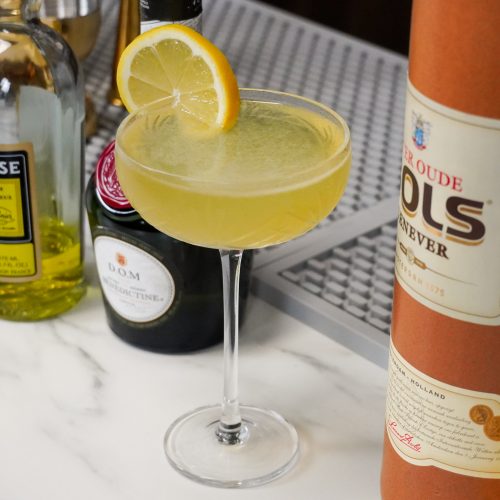
- Double strain into a chilled coupe glass.
- Optional: Garnish with an optional slice of lemon (not traditional).


Vg